
Preparing for a trip? Learn what to tell your Sunnyvale cat sitter about feeding, litter boxes, hiding spots, playtime, and your cat’s unique routine
Your cat may have a very specific definition of dinner: the right food, in the right bowl, in the right corner of the kitchen. And that expensive cat bed? Apparently, it’s no match for the cardboard box beside your desk. Those little details are worth sharing before you leave town.
Whether you’re heading out for Thanksgiving or planning a weekend away, clear instructions help your pet sitter follow the routine your cat already knows. Therefore, we recommend sharing meal schedules, portions, medication instructions, play preferences, and litter box care as part of your pet-sitting plan. At Paws & Claws Pet Sitting And Dog Walking in Sunnyvale, California, we want to know more than where you keep the kibble. Here’s what to include in your cat-sitting instructions so we can get to know the cat behind the care checklist.
Feeding Habits Explain Exactly What Mealtime Looks Like
Feeding Habits: Explain Exactly What Mealtime Looks Like
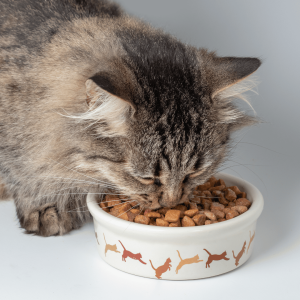
“Feed twice a day” is a starting point, but it leaves plenty of room for questions. Does breakfast mean a measured scoop of dry food or half a can of wet food? Does your cat eat right away, or come back for a few bites throughout the morning?
Write down:
-
The food’s brand, variety, and location.
-
The exact amount to serve at each meal.
-
Your cat’s usual meal times.
-
Where to place each bowl.
-
Any food allergies, prescribed diets, or treat restrictions.
-
Whether pets need to eat separately.
-
Instructions for storing opened food and cleaning dishes.
Meal amounts, feeding locations, and supervision needs are especially useful details in homes with multiple pets. Be specific about measurements. “One scoop” is much clearer when you identify the scoop and explain whether it should be level. If you use an automatic feeder, leave operating instructions and explain what your sitter should check during each visit. Include water instructions, too: where the bowls are, how to refill the fountain, and where replacement supplies are stored. A helpful note might read: “Milo gets half of a 3-ounce can at breakfast and the other half at dinner. His food goes on the blue plate beside the refrigerator. Please feed him separately from Olive, who will happily finish both meals.” That tells your sitter much more than “wet food morning and night.”
Litter Boxes: Cover the Setup and Your Cat’s Normal Habits
A litter box tour may not be the most glamorous part of your meet-and-greet, but don’t skip it. Show your sitter every box, including the one tucked behind the guest bathroom door. Explain your cleaning routine and point out the supplies. Veterinary feline-care guidelines identify litter box setup and cleanliness as important parts of successful litter box use.
Your instructions should cover:
-
Each litter box’s location.
-
The litter brand and where you keep refills.
-
How often to scoop.
-
Whether a full litter change will be needed.
-
Where to put scooped waste.
-
Where to find bags, the scoop, and cleaning supplies.
-
How to operate an automatic litter box, if applicable.
Also describe what is typical for your cat. Mention any established litter box issues, veterinary instructions, or changes you want reported. Information about your cat’s usual elimination habits gives the sitter a useful baseline rather than leaving them to guess what is normal.
Favorite Hiding Spots Give Your Sitter a Cat-Finding Map
Favorite Hiding Spots: Give Your Sitter a Cat-Finding Map
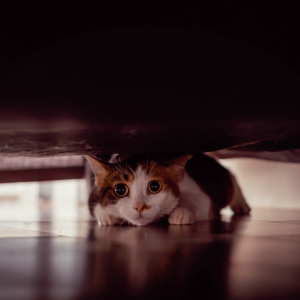
Does your cat disappear into the bedroom closet when the doorbell rings? Sleep behind the curtains? Burrow under the blanket on the spare bed? Write those places down, even the ones that seem obvious to you. Hiding can be a normal coping behavior when cats feel unsure or stressed. Knowing their familiar retreat spots helps a sitter approach the visit with that context.
Useful details include:
-
Favorite daytime sleeping spots.
-
Usual hiding places when someone arrives.
-
Whether your cat typically greets visitors.
-
Rooms that should stay accessible.
-
Doors that must remain closed.
-
How your cat usually responds to a familiar voice or an offered treat.
A photo can help explain a tricky location: “Behind this chair, under the edge of the curtain.” Be clear about interaction preferences, too. For example: “Luna usually watches new people from under the guest bed. Please give her space rather than reaching underneath. She may come out once you sit quietly nearby.” The goal is to help your sitter understand your cat’s habits, not to assume every disappearance is routine. Include instructions for contacting you if your sitter cannot locate your cat or notices behavior that differs from what you described.
Play Preferences: Share What Actually Gets Their Attention
A basket full of toys doesn’t necessarily tell your sitter which one your cat wants. Maybe the feather wand is a favorite, while every toy mouse has been ignored since last winter.
Leave a short guide to your cat’s idea of a good time:
-
Favorite toys and where to find them.
-
Whether your cat enjoys chasing, pouncing, or food puzzles.
-
When play usually fits into the day.
-
Whether they prefer brief play sessions.
-
Which toys require supervision.
-
Where toys should be stored afterward.
You can describe a favorite game in one sentence: “Oliver likes chasing the wand around the scratching post, but he usually loses interest after a few minutes. Please put it back in the hall closet when you’re finished.” And if your cat would rather share a quiet room than chase anything, say so. Your sitter needs to know what companionship looks like for your particular cat.

Individual Quirks The Small Details Belong in the Instructions
Individual Quirks: The Small Details Belong in the Instructions
This is the section where you get to say, “One more thing about her…” Perhaps your cat likes cheek scratches but not being picked up. Maybe they wait outside the bathroom door, chatter at birds, or try to slip into the garage whenever it opens.
Include the details that shape everyday interactions:
-
Where your cat likes, and dislikes, being touched.
-
Whether they tolerate being picked up.
-
How they ask for food, attention, or space.
-
Doors they try to slip through.
-
Household sounds that tend to startle them.
-
Areas of the home that are off-limits.
-
Behaviors that are familiar versus unusual for them.
AAHA recommends including a pet’s individual profile, routine, and off-limits areas in sitter instructions. There’s no need to make your cat sound easier or more outgoing than they are. “She prefers company from across the room” is useful information. So is “He will investigate your bag the moment you put it down.”
Leave Health Information and Emergency Contacts, Too
Alongside the everyday routine, leave your contact information, your veterinarian’s details, and clear instructions for any prescribed medication. Make sure there is enough food, litter, and medication for the time you’ll be away. These are core elements of your pet care pre-travel checklist. Also, keep medication directions separate and easy to find, and review them during the meet-and-greet rather than relying on a quick note left on the counter.
Make Your Cat’s Care Notes Easy to Use
Your instructions don’t need to become a novel. A clearly organized care profile (with headings for meals, litter, hiding spots, play, and health) is easier to follow than scattered texts. Before your trip, review the notes and remove outdated information. Then walk your sitter through the routine at home. We recommend arranging an in-home meeting before you leave so you can introduce the sitter to your cat and their care needs.
Planning Cat Sitting in Sunnyvale?
Planning Cat Sitting in Sunnyvale?
At Paws & Claws Pet Sitting And Dog Walking, we welcome the details that make your cat unique, from their carefully observed dinner ritual to their completely unreasonable attachment to one particular cardboard box. If you’re arranging cat sitting in Sunnyvale, contact us today to discuss your travel dates and your cat’s routine. We service the Mountain View, Sunnyvale, Cupertino, Santa Clara, and West San Jose areas. Click here to contact us or give us a call at 408-752-2997. We look forward to meeting you and your feline family!

