Keep your pets safe this Thanksgiving! Learn which foods to avoid and get essential tips for a happy, healthy holiday with your furry friends
Thanksgiving is a beloved time for family, food, and festivities. But for pet owners in Sunnyvale, California, it also requires vigilance to keep our furry friends safe from common holiday hazards. While the joy of sharing might tempt you to give your pets a bite of your feast, many traditional Thanksgiving foods pose serious health risks for dogs and cats. So, here’s a more detailed guide to help you navigate the holiday safely with your pets.
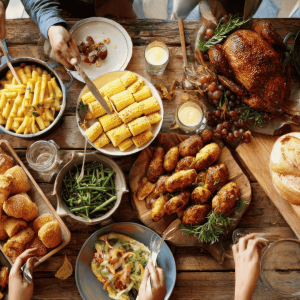
Thanksgiving Foods to Avoid and Why
Foods to Avoid and Why
-
Onions, Garlic, Leeks, and Chives
These are found in many Thanksgiving staples like stuffing, gravies, and side dishes. Even small amounts can cause oxidative damage to pets’ red blood cells, leading to a dangerous condition called hemolytic anemia. Signs include weakness, lethargy, pale gums, and rapid breathing. Avoid all forms, raw, cooked, powdered, or dehydrated. -
Grapes and Raisins
Though they might seem harmless or hidden in fruit breads and desserts, grapes and raisins can cause acute kidney failure in dogs. There is no known safe amount, so it’s best to keep them completely out of reach. Symptoms of poisoning might include vomiting, diarrhea, and lethargy. -
Chocolate and Xylitol
While chocolate is a well-known pet toxin due to the compound theobromine, xylitol, a sugar substitute found in sugar-free gums, candies, and baked goods, is even more dangerous to dogs. It can cause a rapid insulin release, leading to hypoglycemia (low blood sugar), seizures, and liver failure. Keep all chocolate and sugar-free items, especially those containing xylitol, away from pets. -
Macadamia Nuts and Other Nuts
Macadamia nuts specifically cause weakness, vomiting, and tremors in dogs. Other nuts, like walnuts and pecans, can pose choking hazards and cause digestive upset or pancreatitis due to their high fat content. -
Stuffing and Rich Side Dishes
Stuffing commonly contains garlic, onions, or other spices, making it unsafe. Foods rich in fats and gravies can cause pancreatitis, a painful, sometimes life-threatening inflammation of the pancreas. Keep pets away from plates with heavy gravy or fatty trimmings.
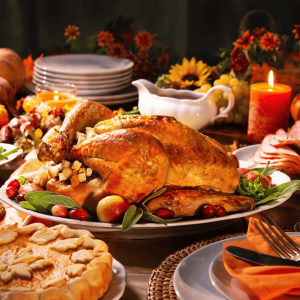
Thanksgiving Turkey Bones and Fatty Skin
- Turkey Bones and Fatty Skin
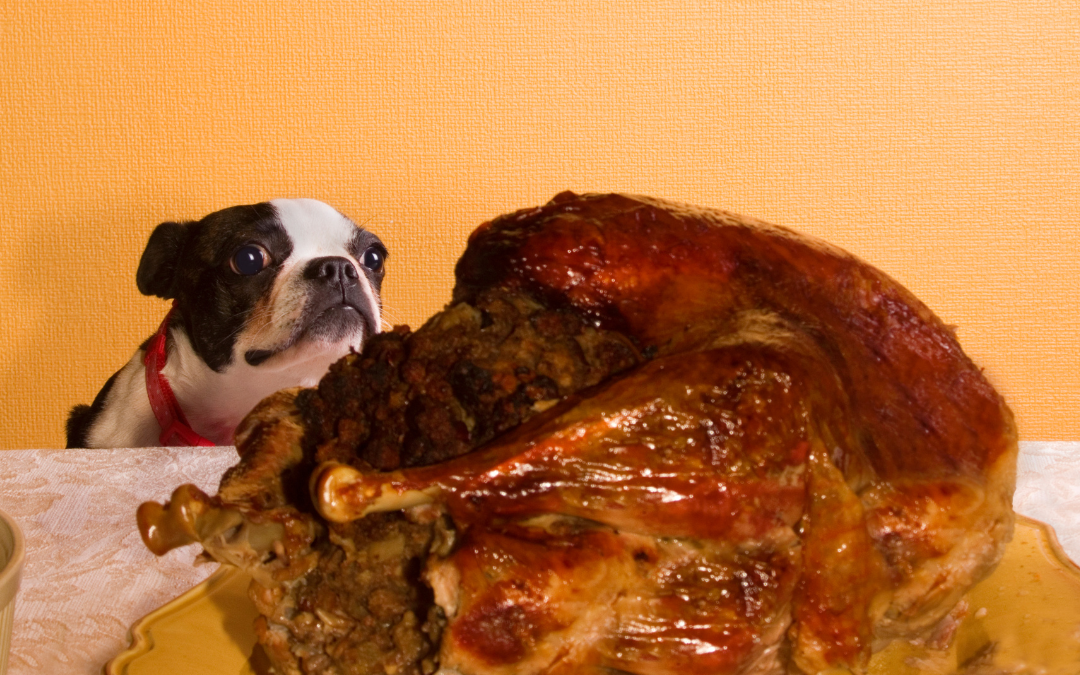
Cooked bones can splinter and cause choking, internal cuts, or intestinal blockages, requiring emergency surgery. Fatty skins and drippings increase the risk of pancreatitis. Offer your pet only small amounts of plain, skinless, boneless white turkey meat if you want to share.
-
Raw Yeast Dough and Alcohol
Yeast dough can expand in the stomach, causing severe pain and potentially life-threatening bloating. Alcohol, even in small quantities, is toxic to pets, damaging their nervous system and organs. -
Dairy Products and Sweetened Dishes
Many pets are lactose intolerant and cannot digest dairy-based foods like mashed potatoes or whipped cream. Sweetened dishes often contain ingredients toxic to pets and can cause digestive upset and obesity.
Additional Thanksgiving Safety Tips
-
Supervise Interactions with Guests:
Some pets may become stressed or anxious around unfamiliar people. Monitor your pet’s behavior and provide breaks as needed to prevent stress-related accidents or escape attempts. -
Secure Trash and Leftovers:
Place all trash cans and leftover food containers out of reach or inside secure cabinets to prevent scavenging, a common cause of holiday emergencies for pets.

Create a Pet-Safe Zone
- Create a Pet-Safe Zone:
Set up a quiet area away from crowds and commotion where your pet can retreat and relax during busy holiday gatherings. Include their bed, water, and favorite toys. -
Remind Guests:
Politely ask family and friends not to feed your pets table scraps. Many well-meaning guests might not know what foods are dangerous to animals. -
Keep Decorations and Candles Out of Reach:
Pets may chew on cords, decorations, or knock over lit candles, leading to injury or fire hazards. -
Update Identification:
With doors opening frequently and guests coming and going, the chance of a pet slipping out increases. Ensure your pet’s collar has updated tags and that their microchip information is current. -
Be Prepared:
Have your veterinarian’s contact info handy in case of an emergency. Know the location of the nearest emergency animal hospital.
Feed Your Pet Safely
Instead of risking harmful foods, you can treat your pet to:
-
Plain cooked turkey (boneless, skinless, no seasoning) in moderation
-
Steamed vegetables like green beans, carrots, or pumpkin puree (unsweetened)
-
Commercially available pet treats formulated for holidays
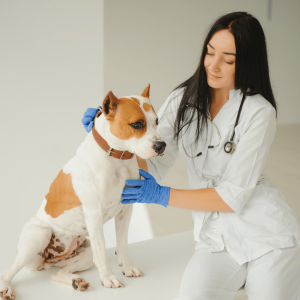
When to Call the Vet
When to Call the Vet
If your pet shows signs of distress such as vomiting, diarrhea, lethargy, difficulty breathing, or unusual behavior after exposure to holiday food or environment, seek veterinary care immediately. Prompt treatment can make a big difference.
A Safe & Happy Thanksgiving With Your Furry Friends
At Paws & Claws Pet Sitting And Dog Walking, we want your holidays to be joyful and safe for every family member, including your pets. With these expanded tips, you can enjoy Thanksgiving with peace of mind knowing your pets are protected from common dangers. Happy Thanksgiving, Sunnyvale!

Need A Dog Walker Or Pet Sitter For The Holidays?
Need A Dog Walker Or Pet Sitter For The Holidays?
If you or someone you know is looking for pet sitting or dog walking services, then look no further than Paws & Claws Pet Sitting and Dog Walking! We service the Mountain View, Sunnyvale, Cupertino, Santa Clara, and West San Jose areas. Click here to contact us or give us a call at 408-752-2997. Additionally, be sure to check us out on social media too! We post regularly on Facebook and Instagram. Be sure to subscribe so you never miss an update or adorable picture of the many pets we care for.